
Being an adult brings maturity and a different level of understanding, but it also comes with wrinkles and dull skin, or dry concerns. But have you ever noticed what factors really affect your skin? Maybe it’s your age, sun exposure, daily stress, and sometimes lifestyle that can all affect how your skin looks and feels. In today’s market, many brands offer skin care products claiming smoother, anti-aging, or firmer skin. But choosing the right one can make you feel confused or exhausted.
The good news is that you don’t need a cream that targets every concern because the right choice depends on what your skin needs. It may reduce the appearance of wrinkles, improve dryness, boost radiance, or support firmness.
In this blog, we will compare key ingredients, formulas, and skin concerns to help you make a more informed choice. Keep in mind that results depend on your skin type, cream ingredients, consistency, and individual needs.
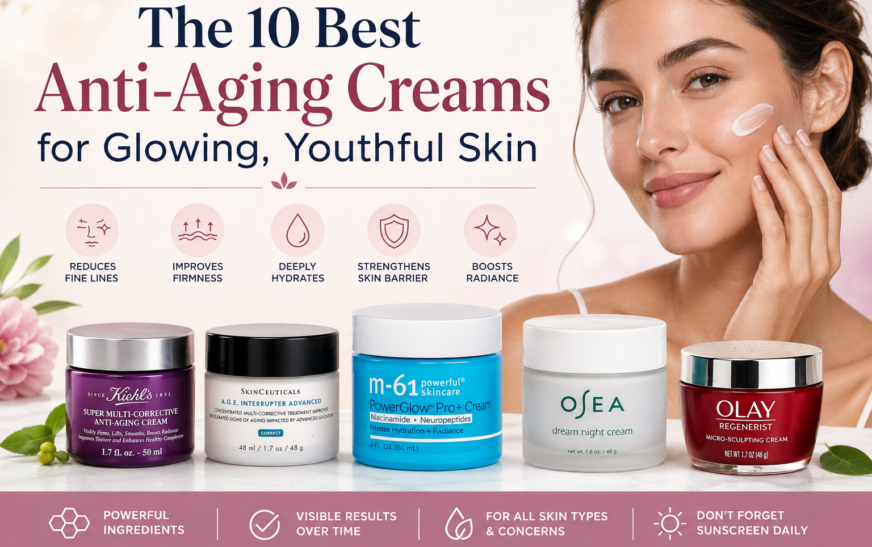
Quick Picks: Best Anti-Aging Creams at a Glance
How to Choose the Best Anti-Aging Cream?
When you are worried about how to get rid of wrinkles, at this point you deserve a good quality anti-aging cream. So, choosing the best anti-aging cream involves more than picking the most expensive jar. We compared formulas based on ingredients, skin concerns, usability, skin type compatibility, and overall value, but along with this, we also looked at how brands clearly explain their ingredients and product claims.
Targeted Skin Concerns
We looked at what each anti-aging cream actually aims to improve rather than treating every product as a one-size-fits-all solution. Different formulations work better for different skin concerns.
- Fine Lines and Wrinkles – If you have fine lines and wrinkles on your skin, then consider creams with ingredients such as retinol, peptides, and antioxidants that can improve the appearance of fine lines and make your skin smooth and younger-looking.
- Dryness and Dehydration – Dry skin is such a big concern that it always makes us feel tight, rough, and itchy. Dry skin demands moisturizing ingredients such as hyaluronic acid, ceramides, and nourishing emollients that help restore moisture and support the skin barrier.
- Dull-Looking Skin – It is a major skin concern that creates a barrier between your glowing skin and you. For dull skin, there are different product that gives brightening and antioxidant ingredients, including vitamin C and niacinamide, that can help skin look fresher and more radiant.
- Uneven Skin Tone – It happens when a hormone, melanin, builds up in certain areas of your skin. To reduce melanin, apply vitamin C, niacinamide, and retinoids that target the appearance of discoloration and uneven tone.
Skin Type Compatibility
Your natural skin type matters! Because it can directly influence how well an anti-aging cream or any age-defiant cream fits into your skincare routine.
Dry Skin – Richer creams with ceramides, hyaluronic acid, and nourishing ingredients can help support moisture and reduce the feeling of tightness.
Oily Skin: For oily skin, applying lightweight, non-greasy formulas may feel more comfortable and avoid adding unnecessary heaviness.
Combination Skin: Balanced formulas can provide hydration without making oilier areas feel overly rich.
Sensitive Skin: Focus on gentle formulas and ingredients that support the skin barrier, avoiding unnecessary irritants where possible.
Mature Skin: We considered creams that combine hydration with ingredients such as retinol, peptides, antioxidants, and barrier-supporting ingredients to address multiple visible signs of aging.
Note: Skin type can overlap. For example, mature skin can also be dry or sensitive, so choosing an anti-aging cream should start with your specific skin concerns, not age alone.
Choose the Best Anti Aging Cream for Your Skin Type
Face anti-aging cream depends on your skin type as much as your main concern. For example, dry skin often needs richer moisture and barrier support, while oily skin usually feels better with lighter texture. There are the strongest matches for different skin needs.
Best Anti-Aging Cream for Dry Skin
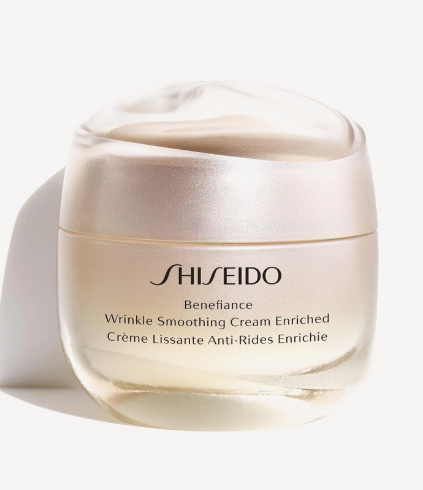
If you have dry skin, then your skin needs more than an anti-aging cream or serum it demands good hydrating moisture. Look for ceramides, hyaluronic acid, emollients, and barrier-supporting ingredients that help restore moisture and reduce the feeling of tightness. Shiseido Benefiance Wrinkle Smoothing Cream is a good option for dry and mature skin, with a rich moisturizing texture designed to soften the appearance of wrinkles while supporting hydration.
Best Anti-Aging Cream for Oily Skin
If someone has oily skin and thinks that they don’t need any moisture, then they are wrong. Oily skin still needs moisture, but a heavy cream can feel uncomfortable and make it more oily. So choose lightweight textures and a non-heavy moisturizer. Try Olay Regenerist Retinol 24 Night Cream works well for people who want an overnight anti-aging formula without adding a separate retinol serum. Its lightweight, fragrance-free formula combines retinol with niacinamide and peptides to target multiple visible signs of aging.
Best Anti-Aging Cream for Sensitive Skin
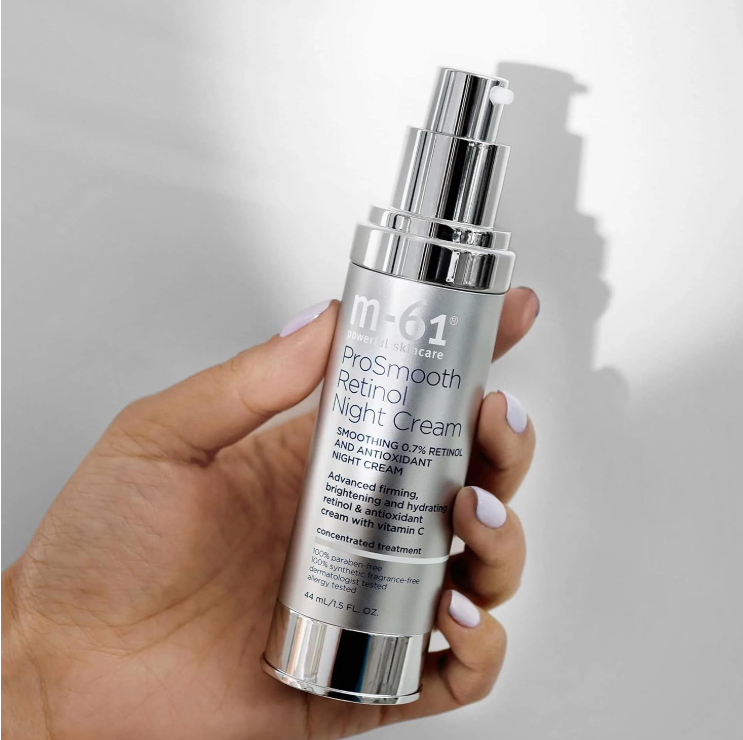
Having sensitive skin is also a problem because not every product will suit sensitive skin. But they can benefit from some easy approaches. Look for gentle formulas, fragrance considerations, and barrier- supporting ingredients. M-61 ProSmooth Retinol Night Cream also makes a practical choice for nighttime texture care, particularly if you want one product that addresses texture, fine lines, and uneven tone.
Special Note – Important advice for sensitive skin is to always perform a patch test whenever you use a new skincare product for the first time.
Best Anti- Aging Cream for Combination Skin
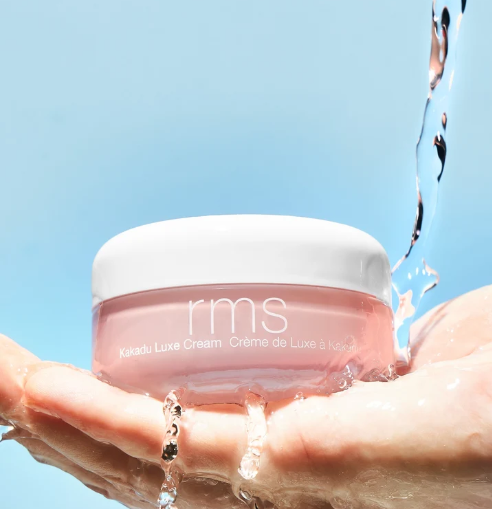
Combination skin features two or more different skin types on the face at the same time, so combination skin needs balance. You want enough moisture for dry areas without making the T-zone ( forehead, nose, and chin ) feel greasy. RMS Beauty Kakadu Luxe Cream works well here because its formula combines niacinamide, peptides, hyaluronic acid, and kakadu plum; these ingredients suit combination skin well.
What Ingredients You Should Look for in Face Anti-Aging Cream?
Use this quick guide to understand what each ingredient can do for youthful-looking skin.
| Retinol & Retinoids Helps improve the appearance of fine lines, wrinkles, and uneven texture. Best For – Fine lines, texture | Vitamin C Provides antioxidant support and helps brighten the look of dull skin. Best For – Dullness, uneven tone | Ceramides Help support the skin barrier and reduce moisture loss. Best For – Dry, sensitive skin |
| Peptides Support firming and help create skin-supporting formulas. Best For – Loss of firmness, wrinkles | Hyaluronic Acid Attracts moisture to the skin, helping it look hydrated and plumper. Best For – Dryness, dehydration | Niacinamide Supports the skin barrier, hydration, and a more even-looking skin tone. Best For – Uneven tone, dryness |
How to Use Anti-Aging Cream for Better Results
A good anti-aging product works best when you use it correctly and consistently. Your skincare routine, application habits, and daily sun protection can all affect how your skin responds. Follow these simple steps to build a routine that supports healthier, smoother-looking skin.
Apply It Consistently
If you want visible results, consistency is a key factor. Use your anti-aging cream as directed on the product label. Consistent use matters more than applying a large amount occasionally. Give your routine time to work before deciding whether a product suits you.
Use the Recommended Amount
More cream does not mean better results. Apply the amount recommended by the brand. Using too much can leave your skin feeling heavy and may increase irritation with active ingredients.
Apply Skincare in the Right Order
Layer products from the lightest to the heaviest texture. A simple morning routine can follow this order:
Cleanser →Mositure/Serum → Anti-Aging Cream → Sunscreen
At night, finish with your anti-aging cream unless your product instructions recommend a different routine.
Don’t Introduce Multiple Actives at Once
Avoid starting so many new ingredients together. Combining retinol, exfoliating acids, and other strong treatments can increase the chance of dryness or irritation. Introduce one new active at a time so you can see how your skin responds.
Always Use Sunscreen During the Day
It helps protect your skin from UV exposure, one of the major contributors to visible skin aging. Apply sunscreen every morning and reapply as needed, especially when spending extended time outdoors.
Anti-Aging Cream vs. Anti-Aging Serum: What’s the Difference?
| Feature | Anti-Aging Cream | Anti-Aging Serum |
| Texture | Usually richer, creamier, and more moisturizing | Usually lightweight, fluid, or gel-like |
| Main Role | Combines hydration with anti-aging treatment support | Targets specific concerns with concentrated ingredients |
| Best For | Dryness, dehydration, daily moisturization, and barrier support | Fine lines, uneven tone, dullness, texture, or other specific concern. |
| Common Ingredients | Ceramides, hyaluronic acid, peptides, niacinamide, emollients | Retinol, Vitamin C, peptides, niacinamide, exfoliating acids |
| Hydration | Usually provides more lasting moisture | May hydrate but often needs a moisturizer |
| Layering | Often applied after a serum | Usually applied before moisturizer or cream |
| When to Use | Morning, evening, or as directed | Morning, evening, or as directed by the formula |
| Ideal for | People who want treatment plus moisture in one step | People who want to focus on a particular skin concern |
Which One You Should Choose?
Choose an anti-aging cream if your skin mainly needs moisture, comfort, and barrier support alongside anti-aging care. Choose a serum if you want to target a specific concern with a more concentrated formula. You can also use both: apply your serum first, then follow with an anti-aging cream to seal in moisture.
How Long Does It Take for an Anti-Aging Cream to Work?
Hydration can show sooner: Moisturizing ingredients may make dry skin feel softer and look smoother relatively quickly, while improvements in dullness and texture usually take more consistent use.
Visible aging takes time: Fine lines and loss of firmness generally require regular use. Results vary based on the product’s ingredients, formula, your skin condition, and overall skincare routine.
Consistency matters: Follow the product directions instead of expecting overnight results. Apply your anti-aging cream consistently and use sunscreen daily to help protect against visible signs of sun-related aging.
Common Mistake to Avoid When Using Face Anti-Aging Cream
Using the right anti-aging cream is only part of a good skincare routine. Avoiding common mistakes can help reduce irritation and make your routine easier to maintain.
| Common Mistake | Problem | Solution |
| Using Too Many Active Ingredients | Combining retinol, exfoliating acids, and other strong actives may cause dryness, redness, or irritation. | Add one anti-aging product at a time |
| Skipping Sunscreen | UV exposure can contribute to visible wrinkles, dark spots, and uneven skin tone. | Use SPF 30+ daily |
| Applying Too Much Product | Excess cream can feel heavy and may increase the risk of irritation with active formulas. | Follow the recommended amount |
| Switching Products Too Frequently | Constantly changing products makes it difficult to know what works for your skin. | Stay consistent |
| Ignoring Skin Sensitivity | Active ingredients can trigger dryness, redness, or discomfort in sensitive skin. | Patch-test first |
| Expecting Quick Results | Unrealistic expectations can lead to unnecessary product switching. | Give your routine time |
Are Anti-Aging Creams Safe for Everyone?
The best anti-aging product can affect people differently based on their skin type, sensitivity, existing skin concerns, and the ingredients used. So keep these points in mind.
Follow directions: Use the product as instructed and avoid applying more than recommended.
Patch-test first: If you have sensitive skin, test a small amount before applying a new product to your face.
Be careful with strong skincare products: Retinoids, exfoliating acids, and other potent ingredients may cause dryness, redness, or irritation, especially when introduced too quickly.
Know your skin: Stop using a product if you experience persistent burning, swelling, severe redness, or other concerning reactions.
Ask a dermatologist: Seek professional advice if you have persistent skin irritation, a skin condition, or concerns about using potent anti-aging ingredients.
Conclusion
Applying expensive or luxury skincare products is not beneficial for your youthful skin. It’s about choosing the right formula by knowing your actual skin type, concern, and your skincare routine. Whether you want to target fine lines, dryness, dullness, uneven tone, or loss of firmness. By using the right ingredients such as retinol, peptides, vitamin C, niacinamide, ceramides, and hyaluronic acid, can help you choose more wisely so that you can see visible results on your face.
In this skincare routine, the most important factors are staying consistent with your routine, introducing active ingredients gradually, and using sunscreen every day. With the right anti-aging cream for your skin, realistic expectations, and regular use. You can achieve smoother, supple, hydrated, and more radiant-looking skin over time.
Frequently Asked Questions
Q1. How to Prevent Wrinkles?
Ans. Use daily sunscreen, moisturize regularly, and consider proven ingredients like retinoids. Avoid excessive sun exposure and smoking.
Q2. What’s a Good Anti-Wrinkle Cream?
Ans. Look for creams with retinoids, peptides, vitamin C, or hyaluronic acid. Choose one that suits your skin type and concerns.
Q3. What Is the Best Anti-Aging Cream for Wrinkles?
Ans. A product containing a retinoid has strong evidence for improving fine lines and wrinkles. Start gradually and follow the product directions.
Q4. Which Anti-Aging Cream Is Best for Glowing Skin?
Ans. Look for ingredients like vitamin C, niacinamide, and hyaluronic acid to support brighter, hydrated-looking skin. Choose based on your skin type.
Q5. Is there any anti-aging cream that actually works?
Ans. Yes, anti-aging creams can work, but only if they contain scientifically proven active ingredients like retinoids, peptides, or vitamin C, and are used consistently over several months
Q6. What do dermatologists recommend for aging skin?
Ans. Dermatologists recommend a daily routine centered on broad-spectrum sunscreen (SPF 30 or higher) to prevent UV damage, topical retinoids (like retinol) to boost collagen and cell turnover, and hydrating antioxidants (like vitamin C) to protect against environmental stressors and brighten skin tone.